
Knowledge HubOutdoor Blinds
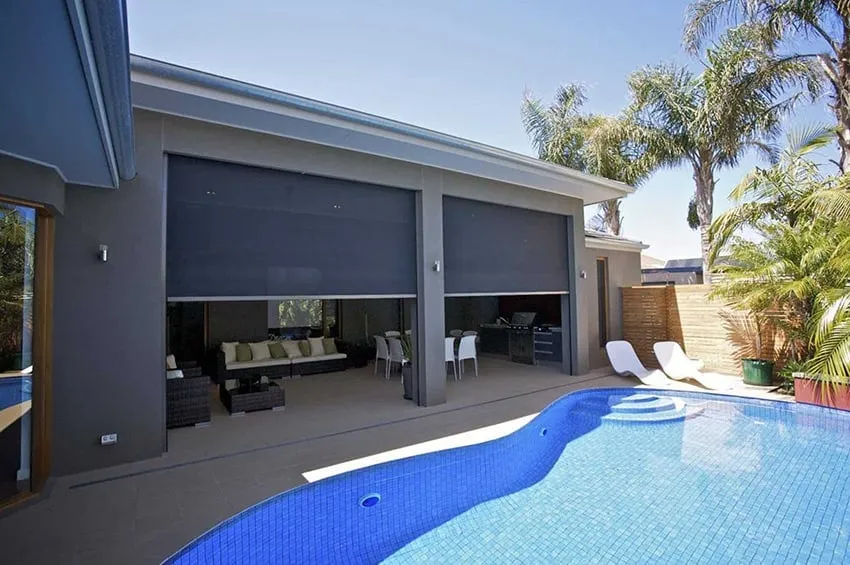
If an outdoor blind is hanging unevenly, has pulled out of its guide or will not move, stop operating it and arrange an assessment. Do not assume the problem is only the fabric. Guides, supports, locks, springs and motors can each affect how the blind behaves.
Ziptrak and Zipscreen are different systems. Identifying which one you have helps the service team work out the next step and which parts may be relevant.
After storm damage: keep clear first
Keep people and pets clear of damaged blinds and supports. Do not stand under loose parts, climb to the top roller, hand-wind a motorised blind or use a belt to restrain a damaged assembly. Springs and damaged supports can move unexpectedly.
Stop using the controls. If electrical equipment is damaged or wet, keep clear and seek qualified help. Only use a normal isolator if it is safely accessible without approaching damaged equipment.
When conditions are safe, contact the service team. A photo can be useful, but getting one is never a reason to move the blind or approach loose components.
Describe what you can observe
A clear description is more useful than guessing which part has failed.
| What you notice | What to tell the service team |
|---|---|
| It is difficult to lift or lower | Whether it is manual or motorised, where it stops and when the issue began |
| One end sits lower | Whether it happened suddenly, after weather or gradually |
| Fabric has left a side guide | Which side, any visible damage and whether the blind has been left stationary |
| The remote produces no movement | The controller identity and whether any other blinds respond |
| It will not lock or release normally | The type of handle or lock and what changed |
| Fabric is marked or damaged | The material, location and extent of the damage |
These symptoms do not identify a cause by themselves. Similar behaviour can arise from different faults, and some checks need an on-site inspection.
A useful photo set
From a safe position, provide:
- The complete opening, including the supports and top of the blind.
- Each side guide and the bottom bar, where accessible.
- A closer view of the affected area.
- An accessible product label or the remote, if relevant.
Add the approximate width and drop if you already know them, plus the order reference or original supplier. Mention high access, stairs, narrow side paths or anything that could affect the visit. Do not climb or dismantle equipment to obtain a measurement or label.
Use the contact details on our repairs page. That page also explains how products from other suppliers are assessed.
Can it be repaired, or does it need replacing?
That depends on the complete system, its condition, compatible parts and the work needed. A damaged skin does not automatically mean the whole blind must go. Equally, replacing fabric is not enough if guides, fixings or supports have also been affected.
Ask what the proposed repair includes and whether any other work is needed. If replacement is recommended, ask why and compare the scope, including removal and disposal. Do not assume a newer component or a similar-looking remote will fit an older system.
If you intend to make an insurance claim, ask your insurer what information it needs. Coverage and approval depend on your policy; an assessment is not a promise that a claim will be paid.
Care advice is specific to the system
The current Ziptrak outdoor user guide distinguishes routine care from faults needing retailer assistance. It warns against oil-based lubricants in the tracks and says motorised blinds must not be hand-operated. Use the guide for the exact system supplied; do not transfer Ziptrak instructions to a Zipscreen or an unidentified blind.
Plan normal weather precautions while the blind is working and conditions are safe. The manufacturer’s operating instructions matter more than a generic wind-speed claim. Once damage has occurred or the blind is resisting movement, do not force it into another position to follow a normal-use instruction.
Frequently asked questions
Can I push the fabric back into the guide?
Do not force it back or pull on it to straighten the blind. The attachment or guide may be damaged, and it needs assessment.
Should I reset the motor before calling?
Avoid repeated resets or programming attempts without instructions for the identified system. Explain the symptoms and any steps already taken. A remote issue, a power issue and a mechanical obstruction need different checks.
Can I replace PVC with mesh during a repair?
It may be possible after checking the dimensions, hardware and compatible fabrics. Read our PVC and mesh comparison and discuss the complete proposal before ordering a new skin.
Will photos be enough to quote the repair?
They can help identify the product and plan the next step. They may not show internal damage, alignment or fixing condition, so a visit can still be required.
Contact the repairs team with the product details and a safe photo set. If you are considering a new system, our Ziptrak versus Zipscreen guide explains the choices.